Our mission
The work we believe we have been given to do
A mission statement is only useful if it rules things out. Ours does.
To serve vulnerable communities alongside local churches and leaders — meeting urgent needs, building lasting change, and pursuing the reconciliation of people to God and to one another.
Reading it clause by clause
Every phrase in our mission statement was argued over, and each one carries a practical consequence. Here is what we mean by them.
“To serve vulnerable communities”
Serve, not develop or transform. The verb matters. Communities are not raw material for our plans; they are the ones doing the developing, and our job is to be useful to that.
“Vulnerable” rather than “poor” is deliberate too. Vulnerability is about exposure to shock — the absence of any margin — which is a more accurate account of what we actually encounter than a line on an income chart.
“Alongside local churches and leaders”
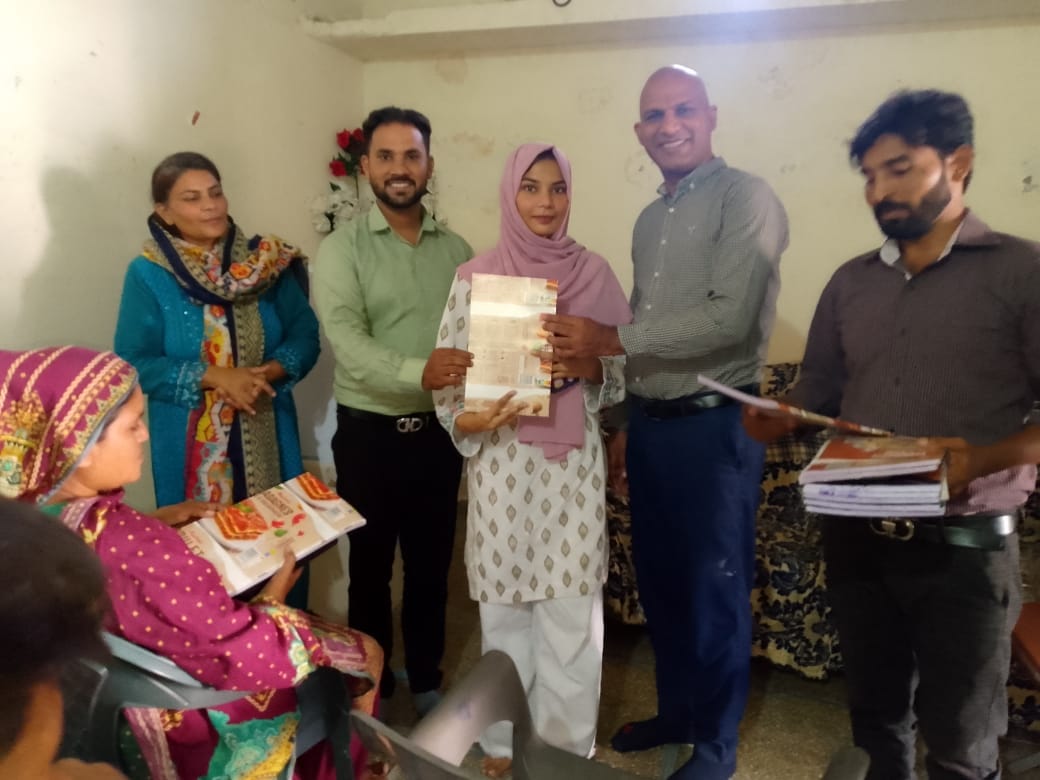
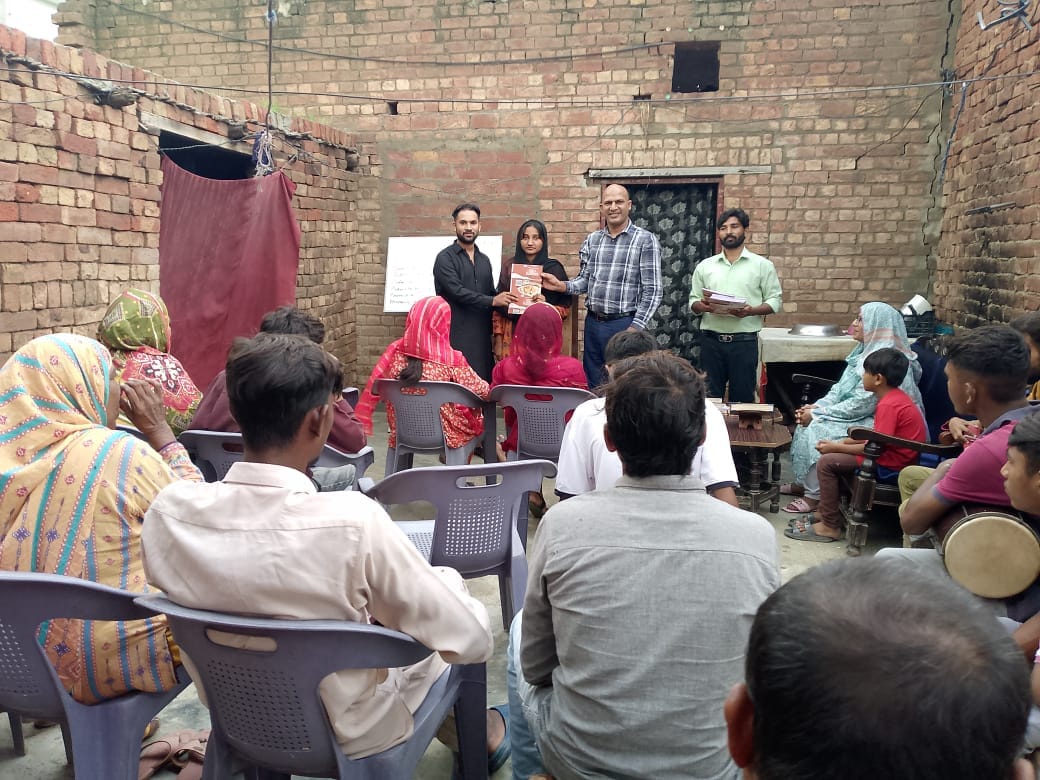
This is the clause that most constrains us. In practice it means that in almost every community we work in, the programme is led by people who live there, and our role is to resource, train and account for funds.
It is slower than doing it ourselves. It produces fewer photographs. It also means the capability stays behind when the funding ends, which is the only version of this work we think is worth doing.
“Meeting urgent needs”
We are not too sophisticated for relief. A family with nothing to eat this week needs food this week, and telling them about a five-year livelihoods strategy is an insult. But relief in our model is always time-bound, always reviewed, and always connected to something that follows it.
“Building lasting change”
Lasting is the test. Not delivered, not launched, not reported — lasting. We look at what is still functioning several years after handover, because outputs are easy to count and easy to inflate, while continuation is very hard to fake.
“Pursuing reconciliation”
Pursuing, not achieving. Reconciliation cannot be scheduled or guaranteed, and some processes do not resolve. What we can commit to is pursuing it — with trained local mediators, patient dialogue, trauma healing, and a willingness to measure in years.
And we pursue it in both directions the New Testament describes: between people and God, and between people and one another. We do not think those can be separated.
What we are not trying to do
We are not trying to become the largest Christian relief organisation, or to have a presence in the maximum number of countries. Both would be easier to fundraise for than what we are actually attempting.
We are trying to be genuinely useful to a manageable number of communities, in a way they would recognise as respectful, and then to become unnecessary to them.
How the mission shapes our work
Mission into practice
A mission statement earns its keep when it changes what an organisation does on a difficult Tuesday. Ours shows up in decisions that are frequently inconvenient.
These are the commitments that follow directly from it, and that we are held to by our partners and our board.
- Communities set priorities before funding is discussed
- Local partners hold the budget and the decisions
- Relief is always paired with what comes after it
- Reconciliation is resourced and trained for, not assumed
- Handover is agreed at the start of every project
- We report failures alongside results
“He has shown you, O mortal, what is good. And what does the Lord require of you? To act justly and to love mercy and to walk humbly with your God.”
See the mission in practice
Ten ministry areas, all delivered through partner churches and community leaders.