We will never make help conditional on your beliefs
You will not be asked what you believe in order to receive assistance, and nothing you receive depends on your answer.
Our promise
Promises are only worth making if they can be checked. Each of these is specific enough that you would know if we broke it.
To the communities we serve
You will not be asked what you believe in order to receive assistance, and nothing you receive depends on your answer.
We will not arrive with a finished plan. What we fund in your community will be what your community has decided it needs.
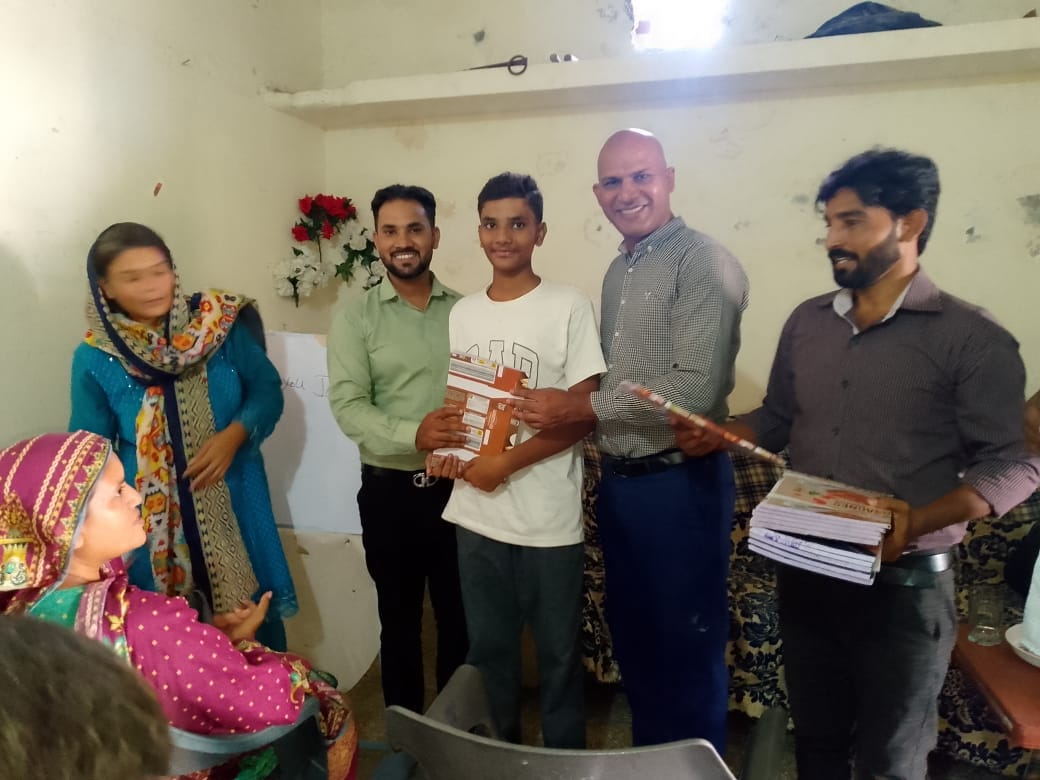
We will ask before photographing you, explain where the image will be used, and stop using it if you later ask us to. We will not photograph you receiving something.
There will always be a way to raise a concern that does not run through the person delivering your programme, and doing so will never put your support at risk.
To our supporters
Fundraising in this sector has a reputation problem, much of it earned. These are the practices we have decided against.
We report on how funds are used and what they achieved, in plain language, including the parts that did not go as planned.
Your information is not sold, rented, swapped or passed to any third party for their own marketing. Ever.
You can change or stop your giving at any time with a single message, and you will not be pursued for doing so. Prayer updates carry no fundraising appeals.
If you give to a specific ministry area, that is where it goes. If circumstances make that impossible, we will contact you rather than quietly reallocate it.
It is easier to be specific about the negative, so here it is. These are common practices in our sector that we have decided against.
If you believe we have broken one of these promises, tell us. Supporters can use the contact page; partner communities have a reporting route that does not pass through programme delivery staff, and safeguarding concerns have a separate protected channel.
Our annual reporting includes what went wrong, not only what went well. An organisation that only publishes its successes is not giving you information you can act on.
“Whoever can be trusted with very little can also be trusted with much.”
If we fall short of any of these, we want to hear about it — and there is always a route that does not run through the person delivering a programme.