
East Africa
Rural communities facing drought, displacement and rising food prices
- Water security and repair
- School access and feeding
- Savings and livestock
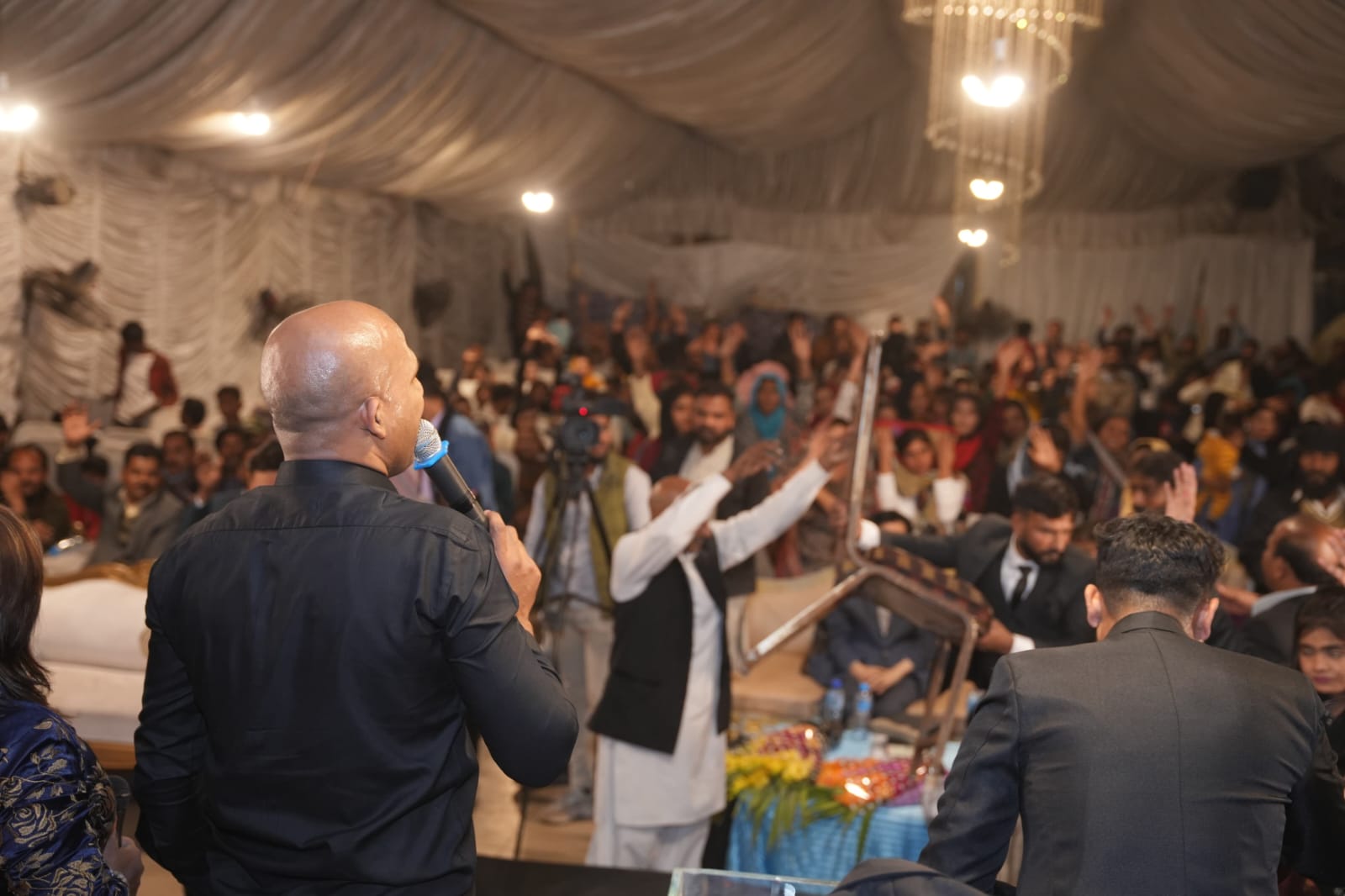
Where we serve
We do not open field offices. In every region the work is led by churches and community organisations that were there before us and will be there afterwards.
Regional groupings are illustrative placeholders
We have deliberately not named specific countries, partner numbers or programme scale, because inventing an operational footprint would be a false organisational claim.
The regions below describe plausible groupings and the kinds of challenge our model addresses. Replace the country lists, partner counts and programme notes in src/data/regions.ts with the organisation’s actual presence.
Our regions
Rural communities facing drought, displacement and rising food prices

Growing young populations, and too few routes into work

Households carrying the weight of care for others
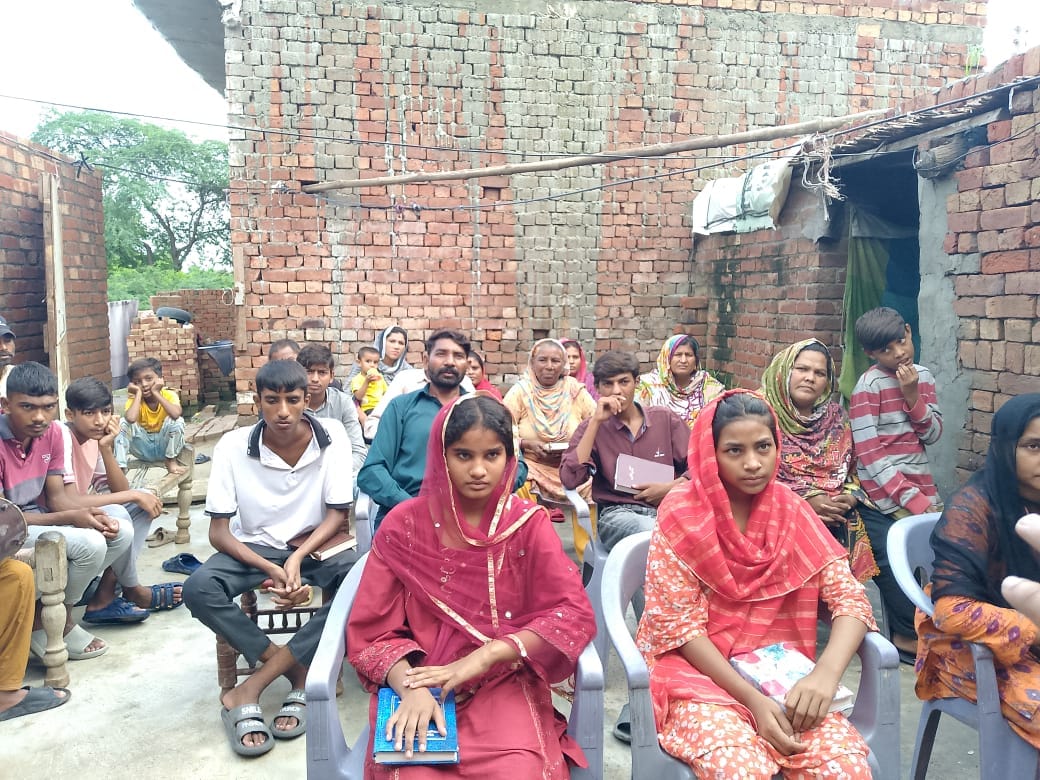
Where exclusion, not scarcity, is the deepest problem

Remote communities, and the seasons that decide everything

Urban margins and highland villages
We are asked this often, and the honest answer is that we mostly do not choose. We respond to invitations.
A new relationship almost always begins with a church or community organisation approaching us — frequently through an existing partner who has vouched for them. That is a much better filter than any geographic strategy we could construct from a distance, because it means there is already a local body with the standing and the intention to lead the work.
In several contexts where our partners serve, publicly naming a community or a Christian leader would put people at real risk. Where that is the case we describe the work regionally and without identifying detail.
This is also why some of our most significant reconciliation work appears here only in general terms. Confidentiality is not evasiveness; it is a condition of the work being possible at all.
We have ended partnerships and withdrawn from communities — because safeguarding or governance standards were not met, because another organisation was better placed, or because the work had genuinely finished and staying would have created dependency.
The last of those is the one we are trying to make more common.
“After this I looked, and there before me was a great multitude that no one could count, from every nation, tribe, people and language.”
Our prayer wall carries specific requests from partner communities in each of these regions.