Community dialogue
Structured, carefully facilitated conversations between groups in conflict, built on ground rules the participants agree themselves.
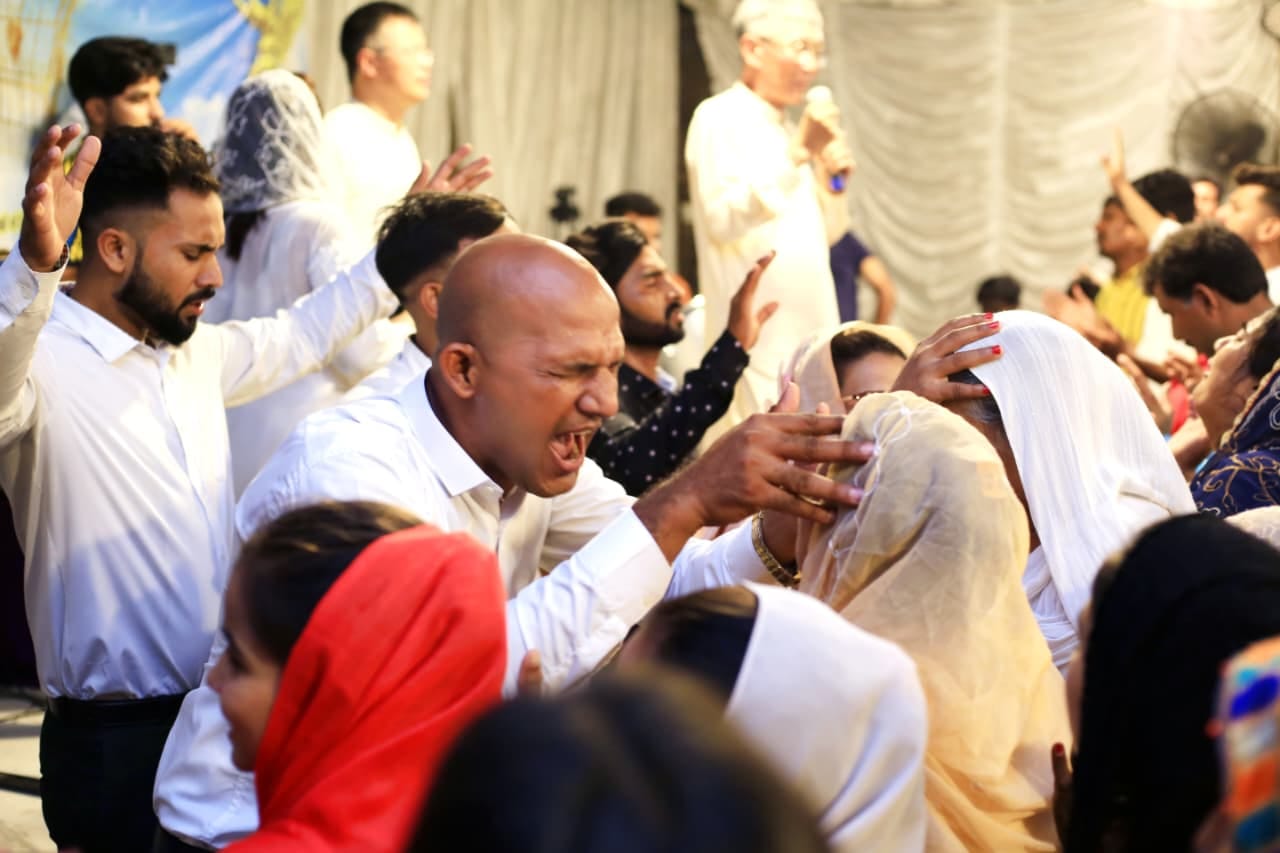
Restoration · Ministry area
Because poverty is often a relationship problem before it is a resource problem
Why this matters
Our name is not decorative. Reconciliation is the specific thing we believe we have been given to do, and it runs through every other area of our work.
Again and again we find that what keeps a community poor is not only a shortage of resources but a breakdown of relationship — between ethnic groups, between neighbours over land, between generations, between a family and the person who wronged it. Wells can be drilled into that situation without changing it.
This work is slow, often invisible, and cannot be rushed or scheduled. It is also, in our experience, where the most durable change happens.
What we do
Structured, carefully facilitated conversations between groups in conflict, built on ground rules the participants agree themselves.
Trained local mediators working on disputes over land, inheritance, water access and family breakdown — voluntary, confidential and locally owned.
Group processes for people carrying the effects of violence, displacement and loss, combining trauma awareness with scriptural reflection for those who want it.
Work in schools and youth groups on handling difference, resisting incitement and building friendships across the lines their communities have drawn.
Helping divided congregations and denominations work together on shared community needs — often the most credible witness available in a fractured place.
Support for households repairing serious rifts, with follow-up over months rather than a single mediated meeting.
How we work
What we look for
These are described qualitatively on purpose. No statistics have been invented for this website — verified figures will be published in our annual reporting.
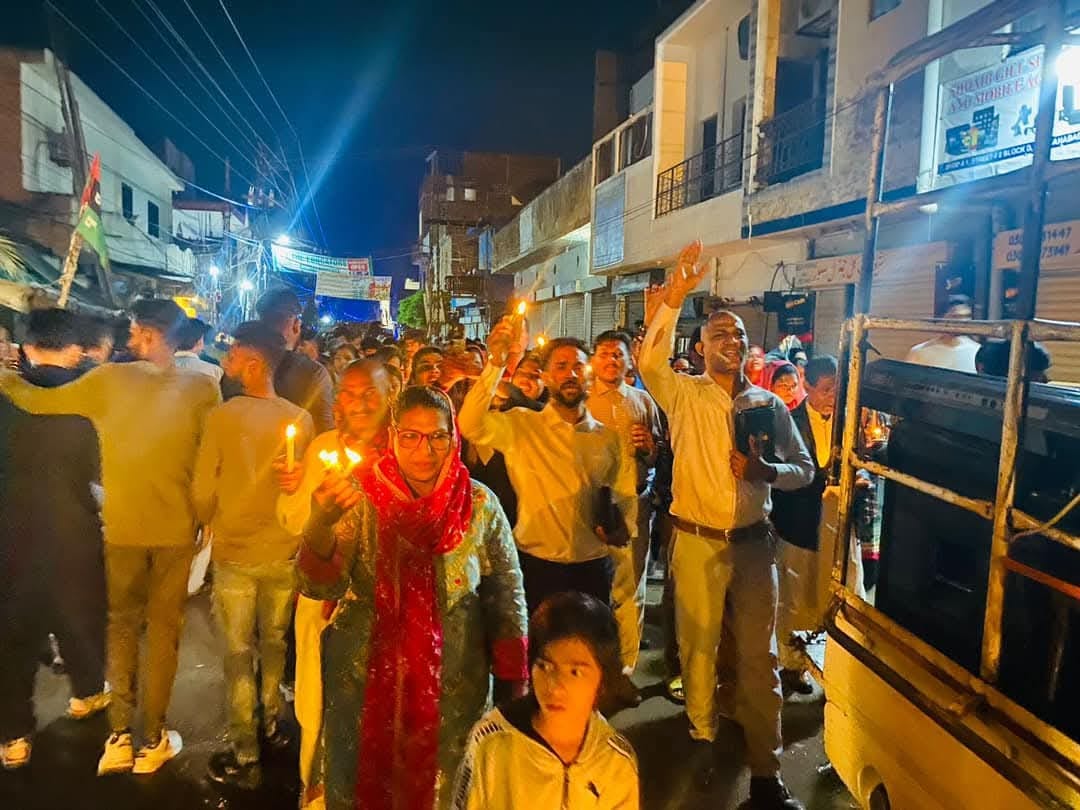
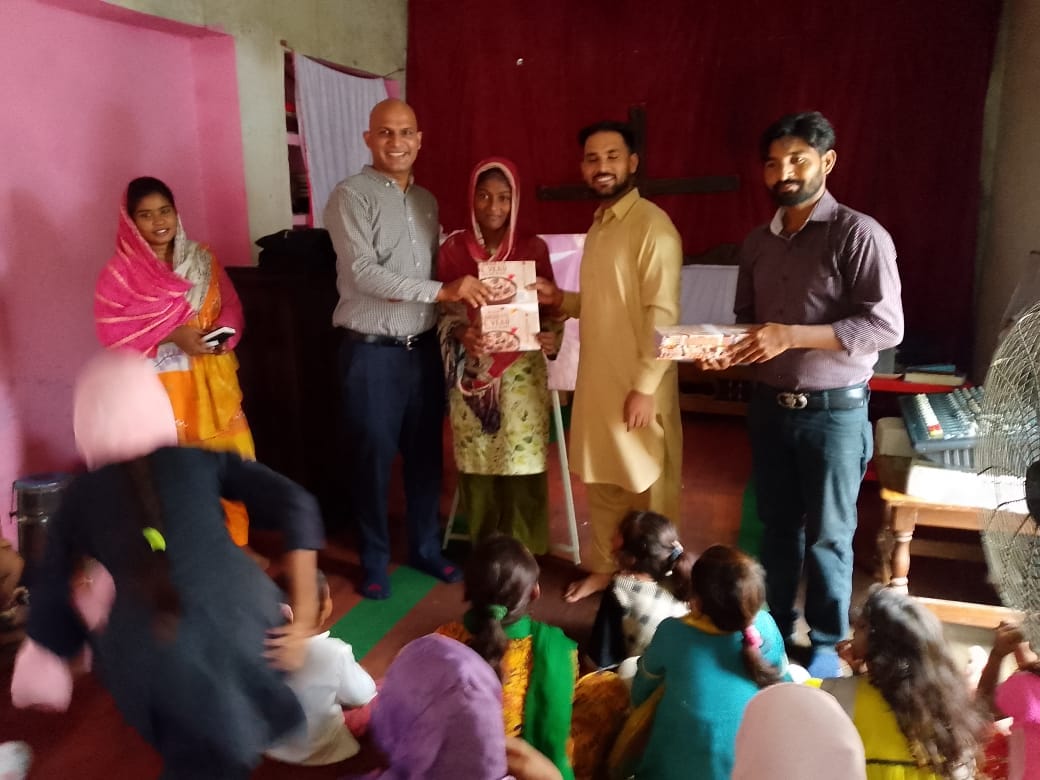
Placeholder photography. Replace in src/data/images.ts.
How to help
Connected work
Spiritual growth, prayer and Christian community — offered freely, never as a condition of help.
Explore this ministry
Strengthening households so children can stay with the people who love them.
Explore this ministry
Everything we do runs through local churches and community leaders who were there before us and will remain after.
Explore this ministryFrom the field
Reconciliation
It rarely looks like a ceremony. More often it looks like two men agreeing to walk the same path to the same water point, and keeping to it.
Education & Opportunity
When the roof came off in the storm, the lessons did not stop. What happened next says a lot about who actually holds a school together.

Community Transformation
A repaired pump gave one community back several hours a day. Here is what they did with the time.
“Blessed are the peacemakers, for they will be called children of God.”
Designate a gift to this ministry area and it will go where you chose.