
Community Transformation
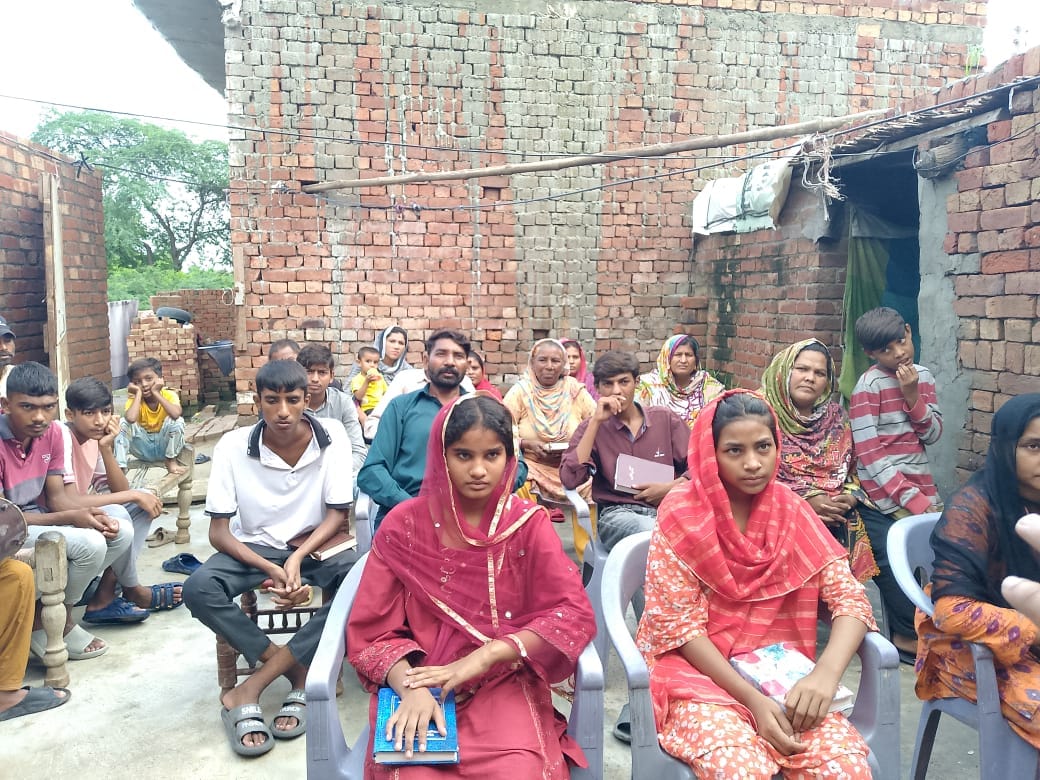
"Clean Water Changed Our Mornings"
A repaired pump gave one community back several hours a day. Here is what they did with the time.
5 min read
Our impact
Outputs delivered are easy to count and easy to inflate. Continuation after handover is very hard to fake, so that is what we look at.
No figures have been invented for this website
Every statistic on this site is shown as a clearly marked placeholder. We have not generated plausible-looking numbers, percentages, beneficiary counts or financial figures, because publishing invented data would be exactly the failure this page is about.
Real verified figures will replace the placeholders once the organisation supplies them.
Figures to be supplied by the organisation. No statistics have been invented for this website.
How we measure
We return to communities three and five years after a project ends and record what is still functioning. Are committees still meeting? Are savings groups still lending? Is the water point working? This is our primary measure, and it is the one most organisations avoid because it can embarrass you.
The proportion of budget, planning and delivery decisions made by partner organisations rather than by us. We want this rising over time in every partnership. If it is flat, something has gone wrong with how we are working.
Structured feedback from the people a programme served, collected by someone other than the person who delivered it. We specifically ask whether they were treated with respect and whether they felt able to disagree with us.
Whether households came through a shock — a failed season, an illness — without selling the productive assets they need to recover. This matters more than a snapshot of income, because it is what actually determines whether progress holds.
Some of the most commonly published charity metrics tell you very little, and a few are actively misleading. We avoid them.
Almost meaningless without a definition, and trivially inflated by counting everyone in a district where you ran a single activity. We report households in specific programmes instead, which is a smaller and more honest number.
Superficially attractive and it punishes exactly the right work. Reconciliation with a divided community, or a long placement with a small number of families, looks terrible on this measure and is often the most valuable thing we do.
This metric rewards creative accounting rather than good practice. Audit, safeguarding, monitoring and honest reporting all cost money, and an organisation claiming almost no overhead is usually either misclassifying costs or neglecting things it should not. We publish our cost breakdown plainly instead.
Our annual report includes a section on what underperformed or was stopped. We publish it for a straightforward reason: an organisation that only reports success is not giving supporters information they can rely on.
Recent examples of the kind of thing that appears there include a grain store sited on ground that flooded, a training programme scheduled at a time that excluded the women it was designed for, and a partnership we ended because governance standards were not being met.
None of those are comfortable to print. All of them changed how we work.
Self-assessment has obvious limits. Our board reviews programme results independently of the executive team, and our accounts are examined externally.
[Add details of external evaluation arrangements, verification visits and any independent reviews once these are confirmed by the organisation.]
Feedback
“Other organisations came, built something, and left. This partnership asked us first what we had decided to do — and then helped us do it. The committee still meets every month.”

[Name] (placeholder, awaiting content)
Community committee chair · [Community, Region] (placeholder, awaiting content)
“We were already serving our neighbours with almost nothing. What changed was the training, and being trusted to make the decisions ourselves.”

[Name] (placeholder, awaiting content)
Partner church pastor · [Community, Region] (placeholder, awaiting content)
“I have forty-eight children in one room. The training did not remove that, but it taught me how to teach reading inside it.”

[Name] (placeholder, awaiting content)
Teacher, partner school · [Community, Region] (placeholder, awaiting content)
Names and locations are placeholders. We publish stories only with informed consent.
Impact in detail
Community Transformation
A repaired pump gave one community back several hours a day. Here is what they did with the time.

Community Transformation
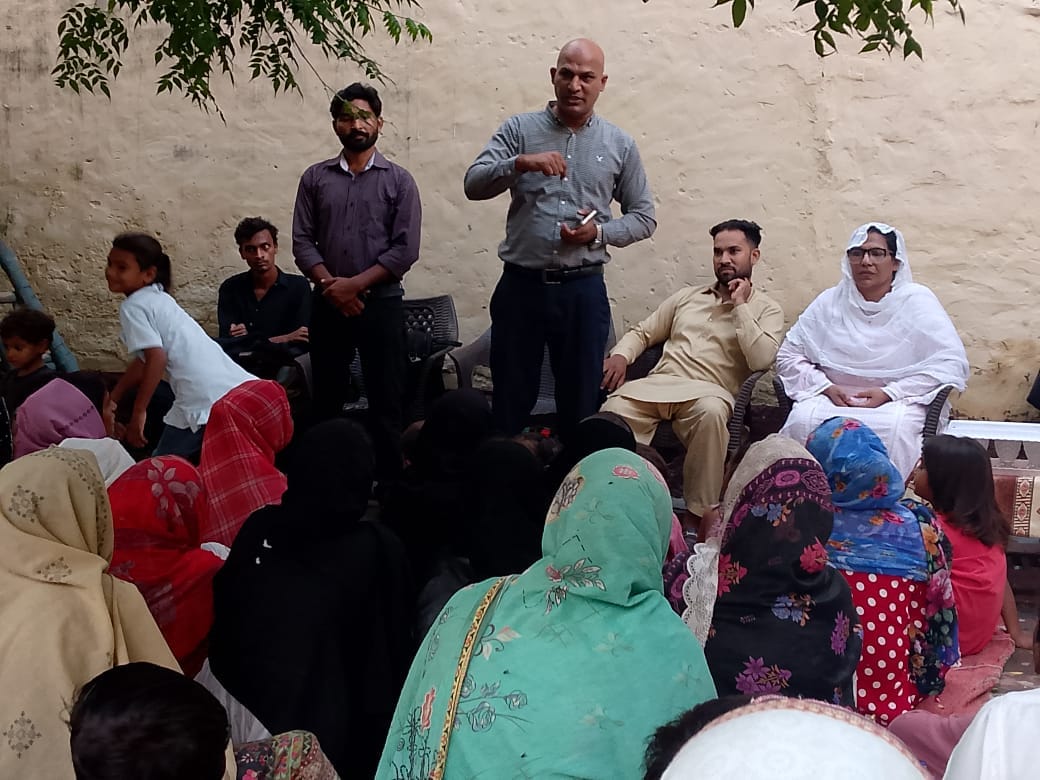
Fourteen traders, a locked metal box and three years of weekly meetings. No external loan was ever involved.
Faith in Action
Six months of conversations before a single project begins. It is the least fundable phase of our work and the one we protect most fiercely.
“Whoever can be trusted with very little can also be trusted with much, and whoever is dishonest with very little will also be dishonest with much.”
Our annual reporting includes programme results, finances, and an honest assessment of what underperformed.