Why We Start With Listening — and Why It Takes So Long
Six months of conversations before a single project begins. It is the least fundable phase of our work and the one we protect most fiercely.
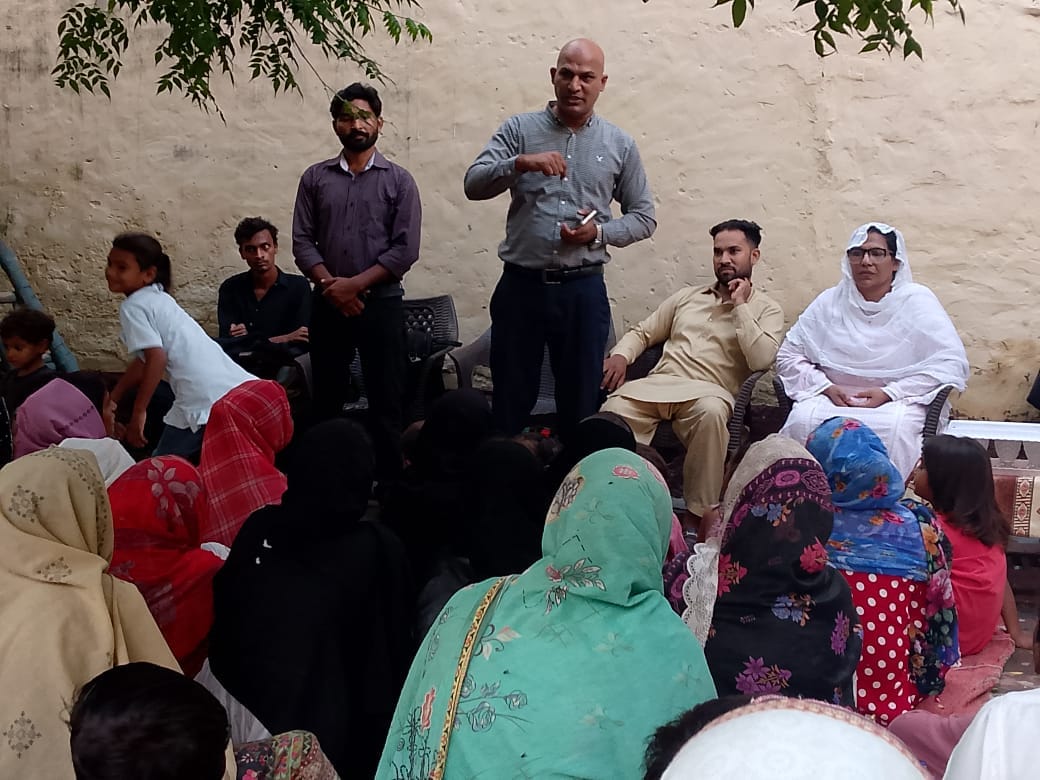
A supporter asked us recently, kindly but pointedly, why it takes half a year of meetings before anything gets built. It is a fair question, and the honest answer is that the meetings are the intervention.
What we get wrong when we move fast
We have a long enough institutional memory to know what haste produces. A grain store sited where the community had told us, quietly and more than once, that it would flood. A women's training programme scheduled at the exact hour that women in that community draw water. A latrine block built to a standard nobody had asked for, next to a school with no water to clean it.
None of those failures came from bad intent or insufficient funding. They came from arriving with a solution and treating consultation as a formality to be completed.
What the six months actually contains
- Separate conversations with groups who do not speak freely in front of each other — women, young people, the poorest households, people with disabilities.
- A community mapping their own assets before discussing their needs, which changes the tone of everything that follows.
- Disagreement, surfaced rather than smoothed over. If a village is split on priorities, we need to know before we fund one of them.
- An agreed local contribution — labour, land, materials or money — decided before external funding is quantified.
- A written handover point, agreed at the start, for when we step back.
“The first three meetings, people told us what they thought we wanted to hear. That is not dishonesty. That is what experience with outside organisations teaches you.”
The theological reason, since we are a Christian organisation
We believe every person we work alongside bears the image of God. That is not a decoration on our mission statement; it has operational consequences. It means a community is a source of insight and capability, not a set of deficits to be filled. It means the people living with a problem are the primary authorities on it.
Treating someone as a passive recipient is a small denial of who they actually are. Listening properly is how we avoid it.
It is genuinely inconvenient
We will not pretend this is costless. It is slower, harder to fund, and almost impossible to photograph. Funders ask for outputs and we are describing conversations. We sometimes spend months in a community and conclude that we are not the right partner for it.
We keep doing it because the alternative — work that collapses within three years of handover — is more expensive, and because it treats people as less than they are.
Written by
Ministry Leadership
Ministry of Reconciliation
Reflections from the executive team on how we work, what we are learning and where we have got things wrong.
More from Ministry Leadership