Church toolkitComing soon
Prayer Guide for Churches
Liturgy, intercessions and service material for congregations praying for partner communities.
For: Church leaders, worship teams
For churches
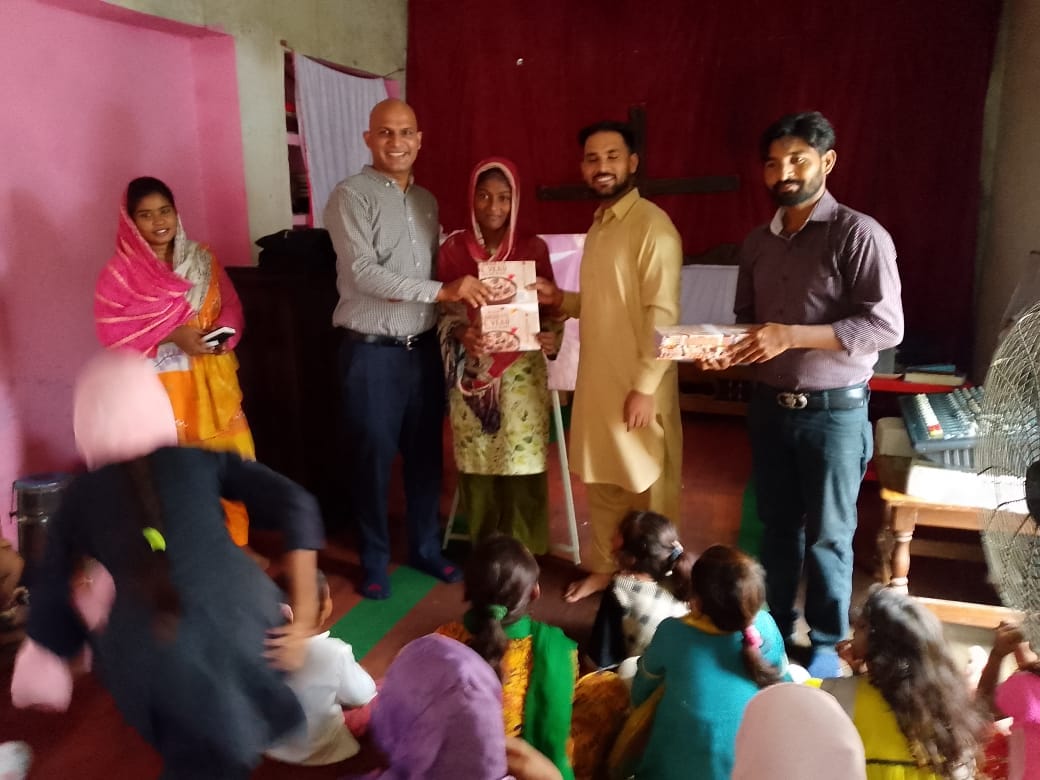
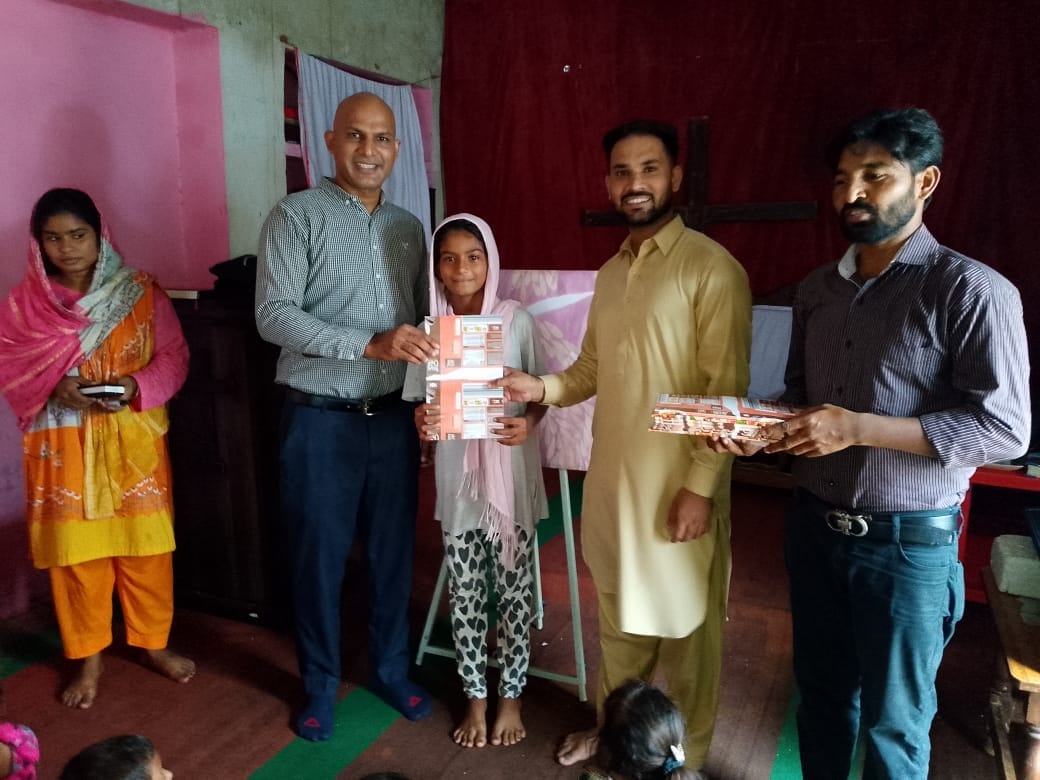
Supporting congregations consistently tell us they were changed more by the relationship than their partners were. That is the point.
What partnership is
A church partnership in our model connects your congregation with a specific partner community over years. You pray for them by name. You hear from them — directly, not filtered through us. You support the work they have decided to do.
What it is not is a sponsorship relationship in which your congregation funds and theirs receives. The partner church leads the work in its community; it is not implementing anyone else’s plan, including ours.
It also runs both ways on purpose. Partner congregations have things to teach about faith held under pressure, about generosity from very little, and about community that most of us in wealthier contexts have largely lost. Churches that enter this expecting to be the ones giving are usually surprised.
Honest warnings
One congregation quietly becomes the benefactor and the other the beneficiary. It shows up in small things — who sets the agenda for a call, whose news gets shared, who is described as needing help. We watch for it and name it when it appears.
A team arrives for ten days. The partner church hosts, translates, supervises and reorganises its week. We support visits, but structured around learning rather than doing, with the host community's costs properly covered.
The first year is exciting and the third is quiet. Partner communities notice when interest drops, and it is worse than never starting. We would rather agree a modest commitment you can keep for a decade.
Well-meant descriptions that flatten a community into poverty and need. Our advocacy material covers the language, because how you talk about your partners in your own building matters.
Getting started
We talk about your congregation — size, existing mission commitments, what you are hoping for and what capacity you realistically have.
We suggest a partner community where the relationship is likely to work, and check that the partner church wants it too. They have a say, and sometimes they decline.
A deliberately modest start — prayer, an annual offering, an introduction. No long agreement signed before either side knows the other.
At the end of the first year both congregations say honestly whether to continue and what should change. Some partnerships end here, which is fine.
Resources
Liturgy, intercessions and service material for congregations praying for partner communities.
For: Church leaders, worship teams
Everything a congregation needs to consider, start and sustain a partnership with a community.
For: Church leadership teams
Start a conversation
From partner churches
“We were already serving our neighbours with almost nothing. What changed was the training, and being trusted to make the decisions ourselves.”

[Name] (placeholder, awaiting content)
Partner church pastor · [Community, Region] (placeholder, awaiting content)
“I expected to be useful. I did not expect to be changed. The relationship runs in both directions, which is the whole point.”

[Name] (placeholder, awaiting content)
Volunteer · [Location] (placeholder, awaiting content)
Names and locations are placeholders. We publish stories only with informed consent.
“At the present time your plenty will supply what they need, so that in turn their plenty will supply what you need. The goal is equality.”