God
We believe in one God, eternally existing as Father, Son and Holy Spirit — the creator and sustainer of all things, who is both perfectly just and abundantly merciful.
What we believe
Both halves of that sentence matter, and we would rather state them plainly than leave anyone guessing.
First things first
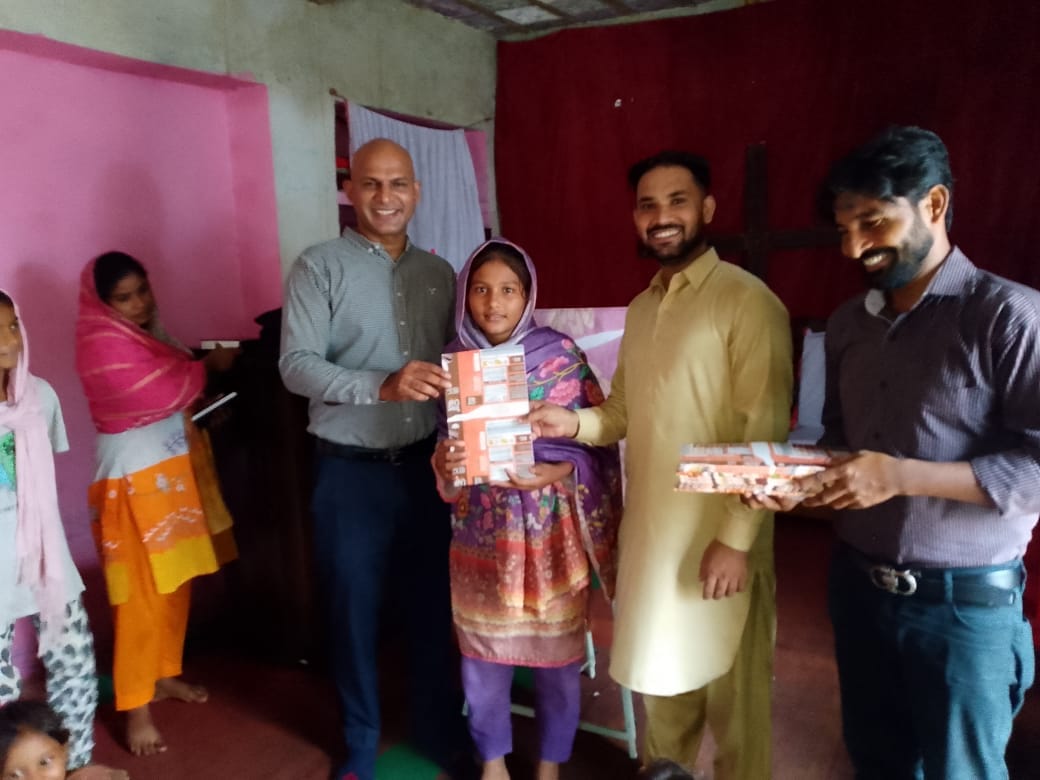
We put this above our statement of faith on purpose. Aid that comes with a requirement to attend, believe or convert is not generosity — it is leverage applied to people who cannot easily refuse. It damages the person and it discredits the gospel.
We hold partner organisations to this in writing, and we will not fund a partner who uses assistance as an inducement.
Our statement of faith
We believe in one God, eternally existing as Father, Son and Holy Spirit — the creator and sustainer of all things, who is both perfectly just and abundantly merciful.
We believe the Bible is God's word, trustworthy and authoritative for faith and life. We read it together, in community, and we expect it to correct us as often as it comforts us.
“All Scripture is God-breathed and is useful for teaching, rebuking, correcting and training in righteousness.”
We believe every human being is made in the image of God and carries inherent, equal worth that poverty, illness, disability or circumstance cannot diminish. This conviction is the foundation of everything in our practice.
“So God created mankind in his own image, in the image of God he created them.”
We believe Jesus Christ is fully God and fully human; that he lived, died and rose again; and that in him God has acted decisively to reconcile the world to himself.
We believe God reconciles people to himself through Christ, and entrusts to his people the work of reconciliation — with God, with one another, and across the divisions that poverty and conflict create. This is the conviction our name comes from.
“All this is from God, who reconciled us to himself through Christ and gave us the ministry of reconciliation.”
We believe the local church is God's chosen community in the world, and that in most places we work it is already present, trusted and permanent. We therefore serve through local congregations rather than around them.
We believe God cares about material conditions as well as spiritual ones, and that biblical faith requires both compassion for people in need and opposition to the injustices that keep them there.
“Learn to do right; seek justice. Defend the oppressed. Take up the cause of the fatherless; plead the case of the widow.”
We believe God is making all things new, and that this hope is neither an excuse for passivity now nor a claim that our efforts are what finally accomplish it.
A statement of faith that makes no difference to how an organisation behaves is decoration. Ours does two specific pieces of work.
If every person we work with bears the image of God, then a community is a source of insight and capability rather than a set of deficits to be filled — and the people living with a problem are the primary authorities on it.
That belief is why communities set their own priorities, why we photograph people at eye level, why distributions are arranged so nobody is publicly identified as unable to cope, and why a complaint can always be made without risking someone’s support. Treating a person as a passive recipient is a small denial of who they actually are.
Paul writes that God has reconciled us to himself and entrusted us with the ministry of reconciliation. We take that as a description of work rather than a devotional phrase.
It commits us to treating relational breakdown as a legitimate programme concern, resourcing mediation and trauma healing properly, and measuring that work in years.
We serve alongside churches from many traditions, and our partners differ from one another and from us on plenty of secondary questions — church government, spiritual gifts, forms of worship and baptism among them.
We do not require agreement on those things, and we do not use funding to nudge a partner towards our preferences. What we do require is shared conviction on the essentials above, and on the non-negotiables about how people are treated.
“So God created mankind in his own image, in the image of God he created them.”
Offered freely to anyone who wants it, and freely declined without consequence.