Household economic strengthening
Small grants, savings group membership and income support targeted at families at risk of separation, so poverty alone never forces a child out of the home.
Relief · Ministry area
The family is the first place where reconciliation is practised
Why this matters
Most children who end up in institutional care are not orphans. They are there because their family became too poor, too ill or too overwhelmed to cope. That is a solvable problem, and solving it is far better for the child.
Family Support exists to keep families together where it is safe to do so — and to make them stronger, not merely intact. That means money, but it also means parenting support, mediation, and someone checking in when things get hard.
Reconciliation is not an abstract idea in this work. It looks like a father and son speaking again, or a household learning to handle conflict without violence.
What we do
Small grants, savings group membership and income support targeted at families at risk of separation, so poverty alone never forces a child out of the home.
Support for grandmothers, aunts, older siblings and foster carers raising children who are not their own — including school costs, food and respite.
Peer groups covering child development, positive discipline, nutrition and handling stress, led by trained facilitators from the same community.
Careful, voluntary mediation where relationships have broken down — between spouses, between generations, or between a family and its neighbours.
Clear referral routes for children at risk of harm, trained focal points in every partner church, and follow-up that does not stop after the first visit.
Practical and legal help for those who have lost a spouse or are raising children alone, including support securing land and inheritance rights.
How we work
What we look for
These are described qualitatively on purpose. No statistics have been invented for this website — verified figures will be published in our annual reporting.
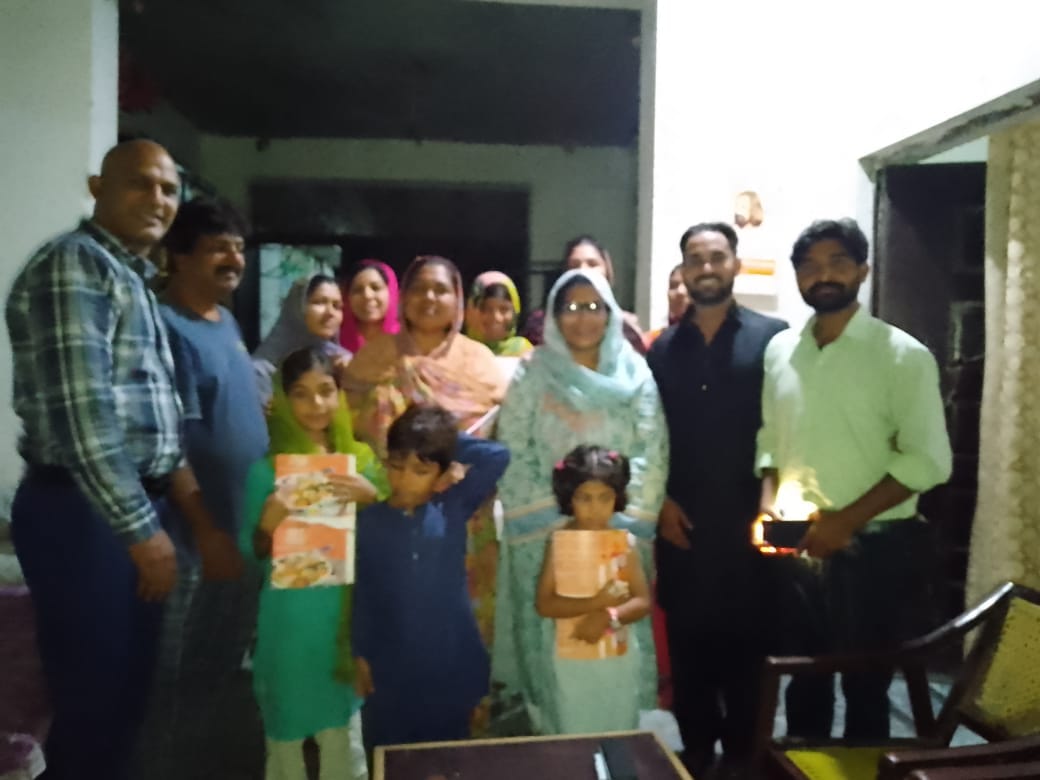
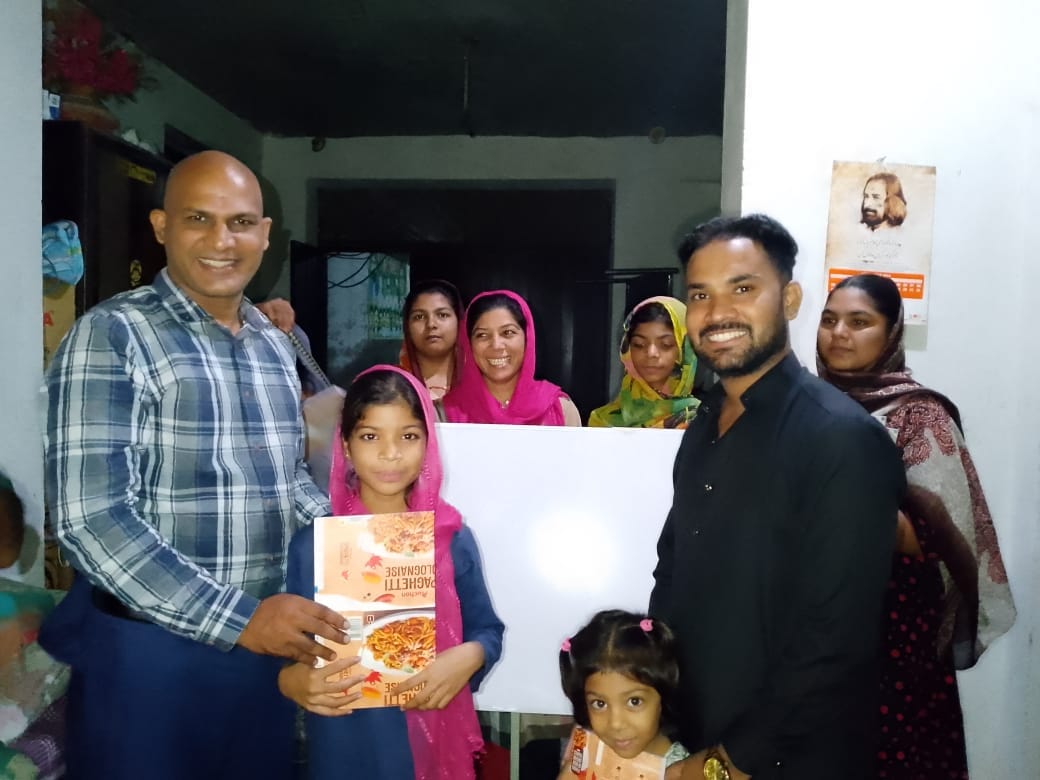
Placeholder photography. Replace in src/data/images.ts.
How to help
Connected work
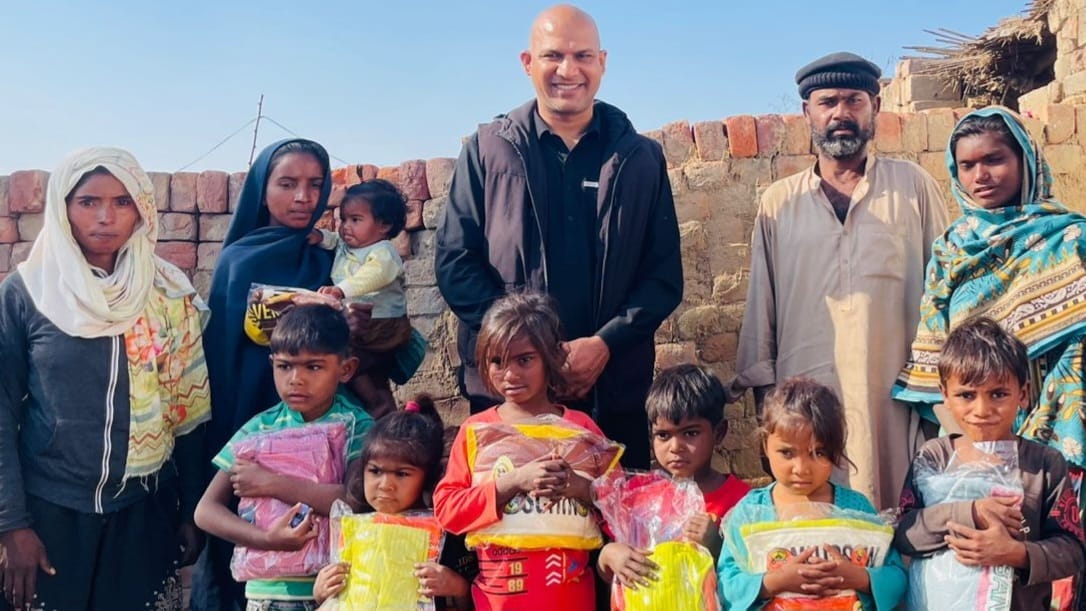
Practical, immediate support for people facing crisis — food, clean water, shelter and compassionate presence.
Explore this ministry
Helping children and young people reach a classroom, stay in it, and leave with real options for their future.
Explore this ministry
The work our name comes from — repairing relationships between people, groups and communities.
Explore this ministryFrom the field
Reconciliation
It rarely looks like a ceremony. More often it looks like two men agreeing to walk the same path to the same water point, and keeping to it.
Education & Opportunity
When the roof came off in the storm, the lessons did not stop. What happened next says a lot about who actually holds a school together.

Community Transformation
A repaired pump gave one community back several hours a day. Here is what they did with the time.
“Religion that God our Father accepts as pure and faultless is this: to look after orphans and widows in their distress.”
Designate a gift to this ministry area and it will go where you chose.