Dignity Is Not a Programme Line
How we photograph people, how we queue them, and a dozen other small decisions that decide whether help humiliates.
Every organisation in this sector says it serves people with dignity. Almost none of them can point to the specific operational decisions where that commitment is either kept or quietly abandoned.
Dignity is not a value you hold. It is a set of choices about logistics, photography, language and queuing. Here are some of ours.
How we photograph people
- We ask permission, explain where the image will be used, and accept no as a complete answer.
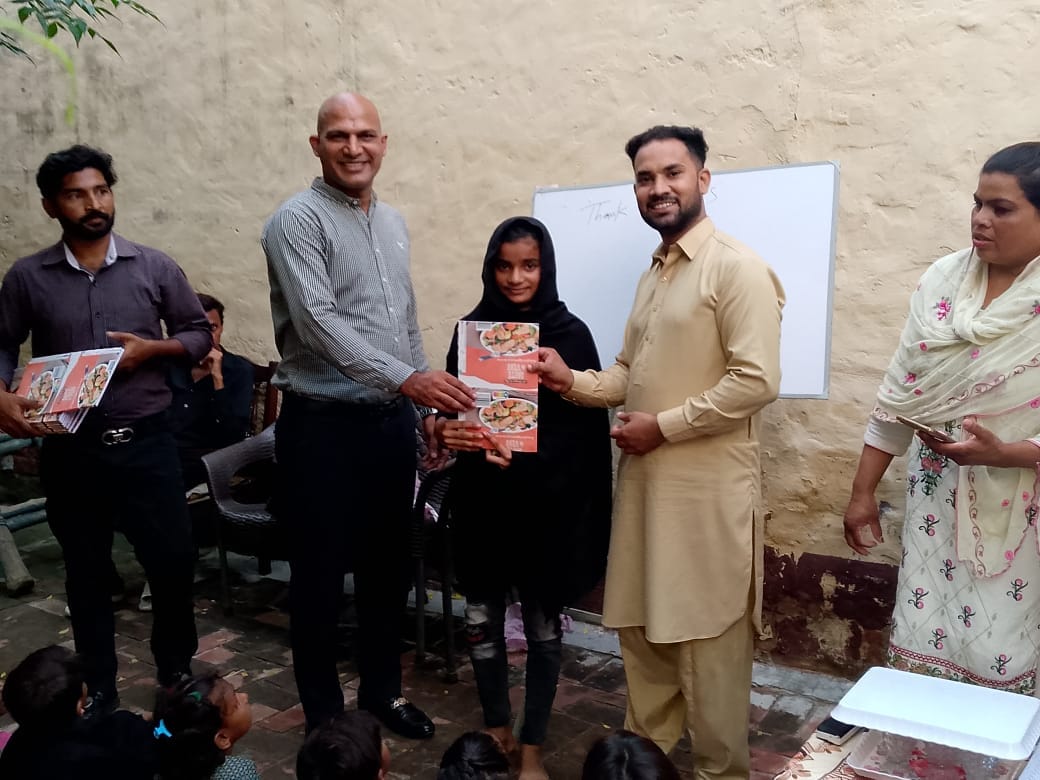
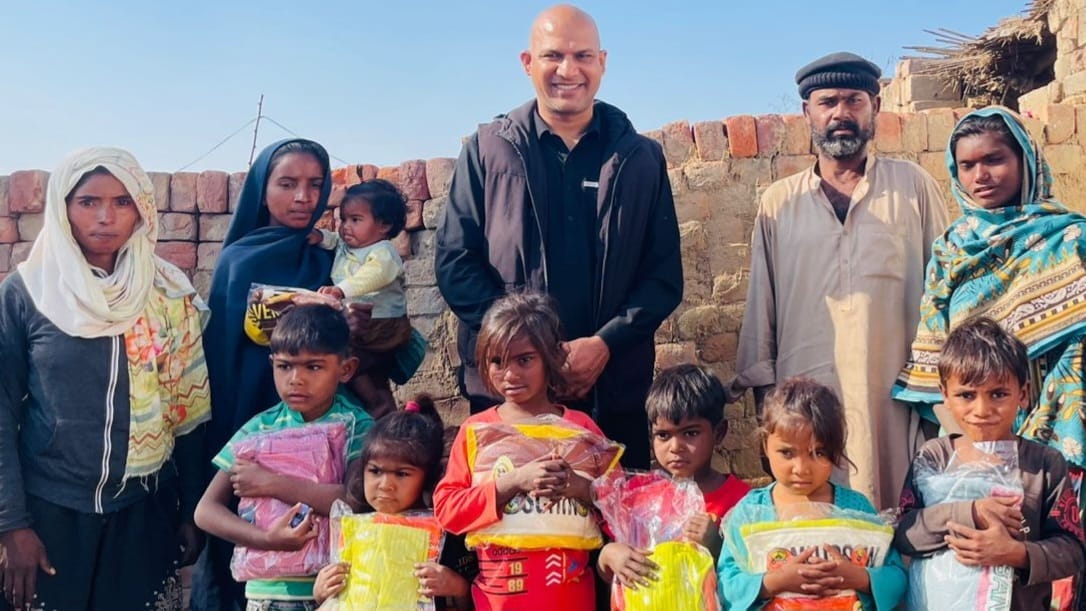
- We do not photograph people receiving something. A photograph of a transfer of goods puts one party above the other permanently.
- We photograph people at eye level. Shooting down at someone seated on the ground is a choice, and it communicates something.
- We do not use images of children in distress or undress, and we do not pair a child's photograph with identifying location details.
- Consent can be withdrawn. If someone asks us to stop using an image, we stop using it.
How support is distributed
A long public queue in the open, watched by neighbours who are not in it, tells a community exactly who has been classified as unable to cope. We have done this badly in the past and have changed it.
Now, wherever it is feasible: collection points are private or semi-private, timings are staggered, and school-related support in particular is arranged so that no child can be identified by classmates as the one whose fees were paid.
“I would rather my children went without than have the whole market watch me collect it. The change to how it was given out mattered more than the amount.”
How we write and speak
Language does real work. "Beneficiaries" describes people by what they receive from us. "The needy" makes need into an identity. Describing a community as having "nothing" is almost always factually wrong — it has land, labour, skills, relationships and organisation, which is considerably more than nothing.
We are not perfect at this and our older materials show it. But we would rather be corrected than comfortable.
Complaints, and the right to make them
A person who cannot complain without risking their support is not being treated with dignity, whatever the mission statement says. Every partner community has a route to raise a concern that does not run through the person delivering the programme, and safeguarding concerns have a separate, protected channel.
We publish what we get wrong in our reporting. Not because it is comfortable, but because an organisation that only reports success is not telling you anything you can rely on.
Written by
Ministry Leadership
Ministry of Reconciliation
Reflections from the executive team on how we work, what we are learning and where we have got things wrong.
More from Ministry Leadership