Training Pastors Who Stay
In many communities the pastor is the only trained person who is not going to leave. That changes what training should be for.
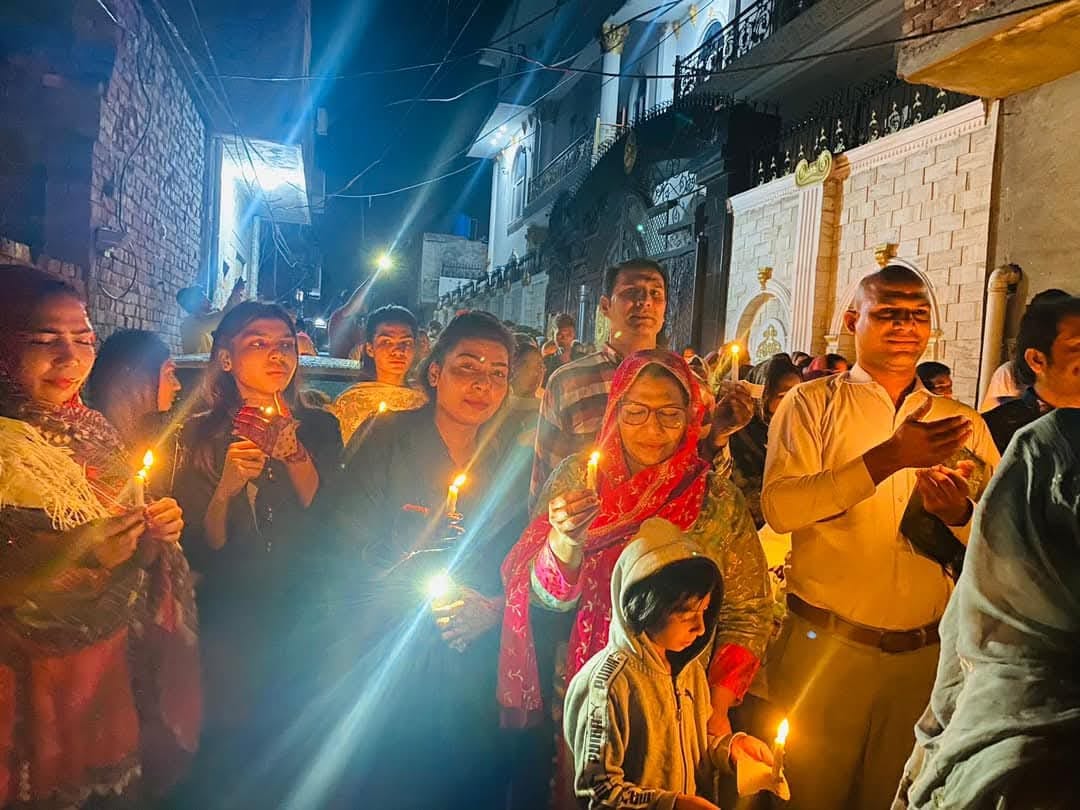
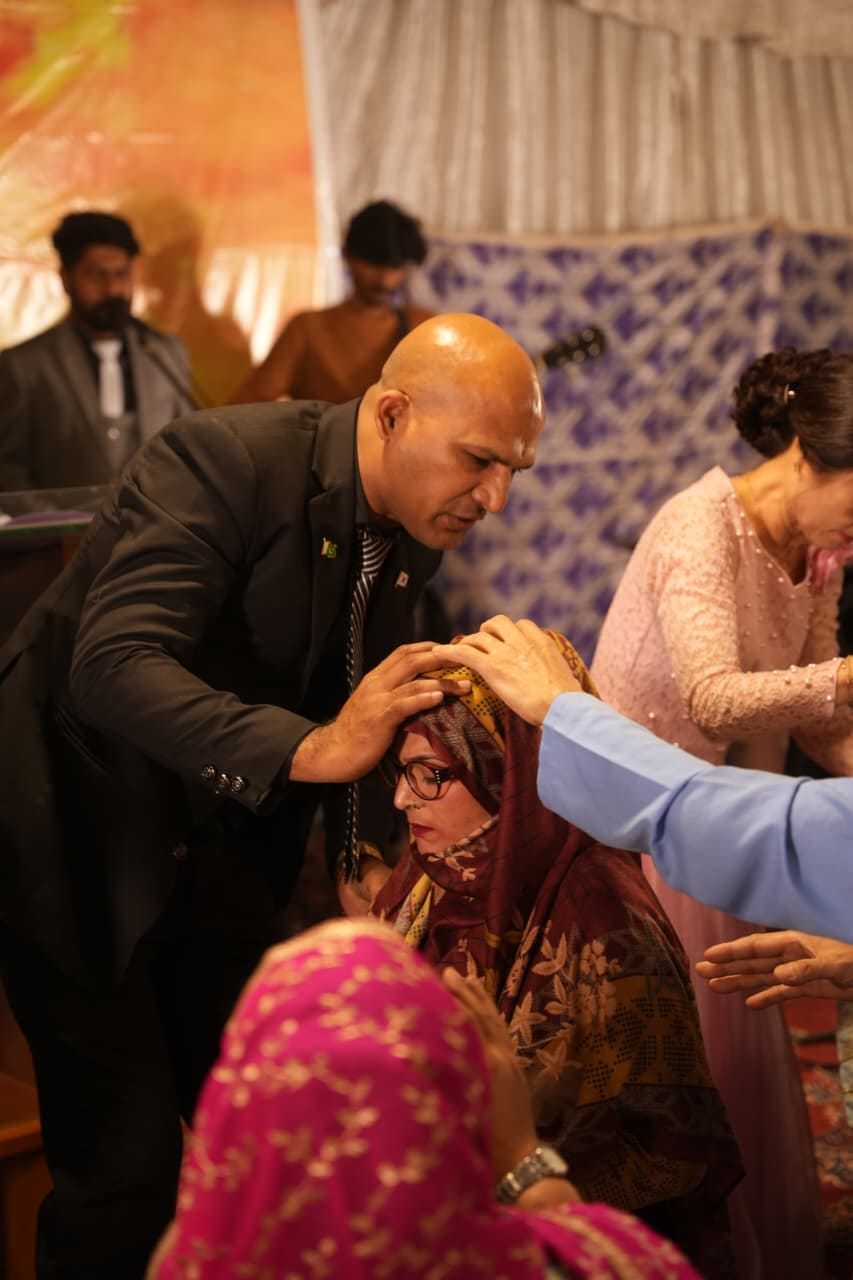
Teachers get posted elsewhere. Clinic staff rotate. Development organisations arrive with a three-year cycle and depart on schedule. In a great many of the communities our partners serve, the pastor is the one trained person who is still going to be there in twenty years.
That single fact shapes how we think about leadership training. We are not producing staff. We are supporting people who have already committed their lives to a place.
What they actually ask for
When we ask partner leaders what training they want, the answers are consistently more practical than a theological college syllabus would suggest:
- How to sit with someone who has lost a child, without offering explanations that wound.
- How to keep records and accounts that a congregation can inspect.
- How to recognise when a child is at risk, and what to do next.
- How to teach the Bible clearly to a congregation with mixed literacy.
- How to keep going for decades without burning out or becoming cynical.
“I was taught to preach. Nobody taught me what to say at the funeral of a nine-year-old. That is most of what my week actually is.”
Formation, not just information
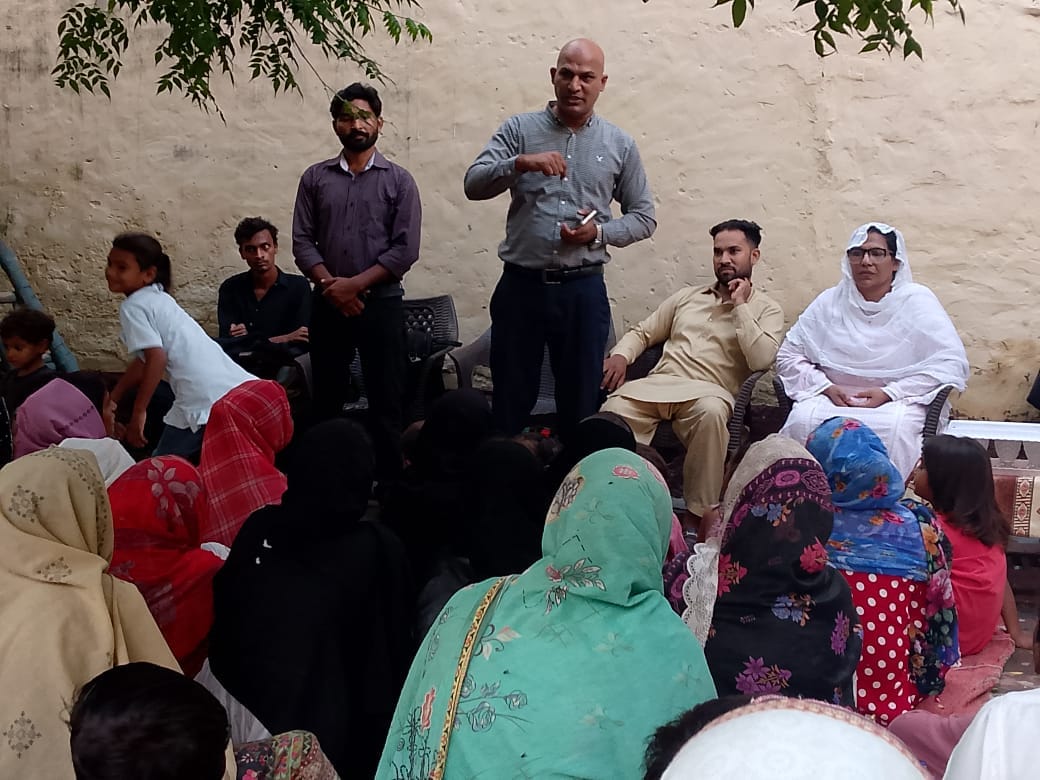
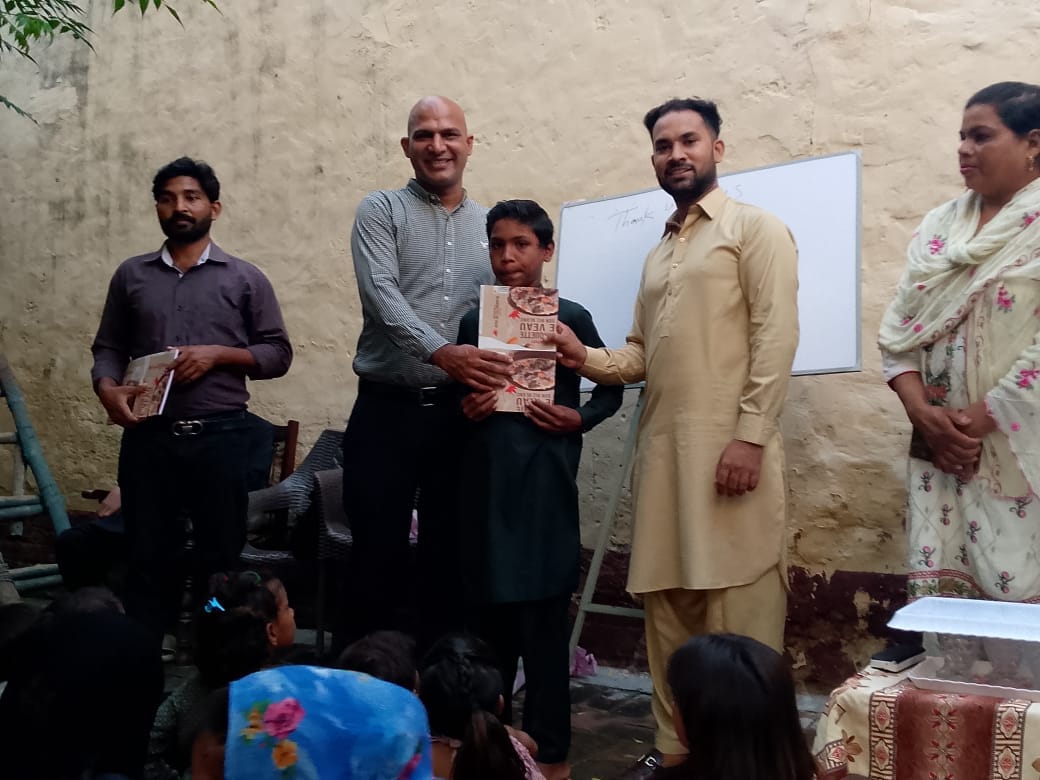
Our leadership work therefore runs long — years rather than weeks — and it is deliberately relational. Cohorts meet repeatedly over time, which means the peer group becomes as valuable as the curriculum. Isolation is one of the most serious occupational hazards of rural ministry, and a cohort is a partial cure for it.
Safeguarding is non-negotiable within it. Every partner leader completes it, every partner has a named focal point, and there is no exemption for seniority or seniority's discomfort.
Why this is development work
A well-supported local leader who stays for thirty years will shape more lives than any project we could design. That is not a spiritual claim about efficiency; it is an observation about permanence.
And it is why we resource congregations to serve their own neighbours rather than running programmes past them. The people we train are not implementing our plan. They are staying.
Written by
Prayer & Discipleship Team
Ministry of Reconciliation
Carries prayer requests between partner communities and supporters, and produces our prayer and study resources.
More from Prayer & Discipleship Team