A Mother, a Goat, and a Plan
She did not want a handout, and she was very clear about that. She wanted an asset that would still be there in two years.
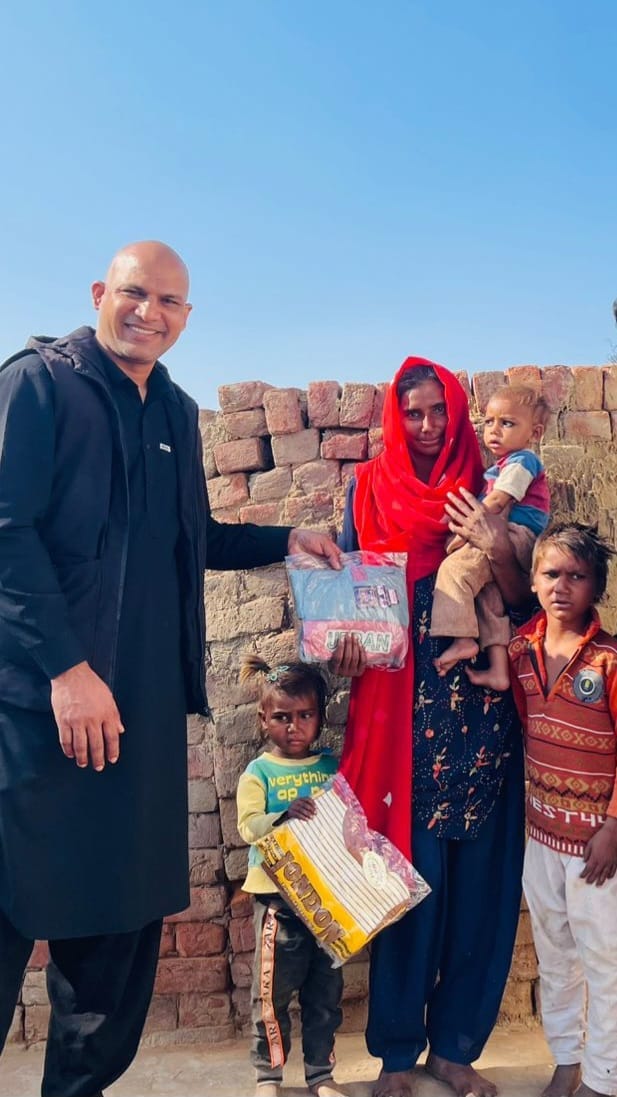
She was raising four children, two of them her sister's, on income from occasional farm labour. When our partner church visited, she was on a list of households considered at risk of separation — the point at which poverty alone starts to push children out of a family.
The obvious response was food support, and she received some. What she asked for was different.
“Food finishes. I wanted something that makes more of itself.”
What she chose
Two goats, and a place in the savings group that met in the next compound. She had thought it through in detail: goats would browse on land she did not own, they would produce offspring she could sell before each school term, and manure for the plot behind her house.
Our contribution was the animals, a short training in livestock health, and a vaccination arrangement with the nearest veterinary officer. The plan was entirely hers.
Eighteen months on
There are five goats. Two have been sold — one for school fees, one when a child needed treatment. The vegetable plot is producing more than the household eats, and the surplus goes to a trader who comes through weekly.
She is a member of the savings group and has taken one loan, repaid. The children are all in school. She still does farm labour, but it is no longer the only thing between the household and crisis.
Why we tell it this way
It would be easy to write this story with our organisation as the agent — we provided, we enabled, we transformed. That would be inaccurate. She identified the constraint, chose the intervention, managed the asset and absorbed the risk.
We supplied two goats and some training. The plan, and the work, belonged to her. Keeping that distinction clear is not modesty. It is the difference between development and charity, and it is what dignity looks like in practice.
Topics
Written by
Communications Team
Ministry of Reconciliation
We gather and tell stories with the consent of the people in them, and we try hard to tell them without flattening anybody into a statistic.
More from Communications Team